What EMRs May Not Be Seeing Yet

EMR Users Are Starting to Go Outside the System for PI

What This Means for Your Platform

Documentation isn’t the issue.
It’s what documentation becomes, after
the case ends.

For years, capturing care was enough.

Today, lawyers and insurers aren’t just reviewing records— they’re asking what the injury is worth.

And they’re no longer accepting narrative answers.
This requires a different layer.
See What They're Seeing (2 mins)
Same case. Same records. Different outcome.
Where This Is Already
Being Discussed
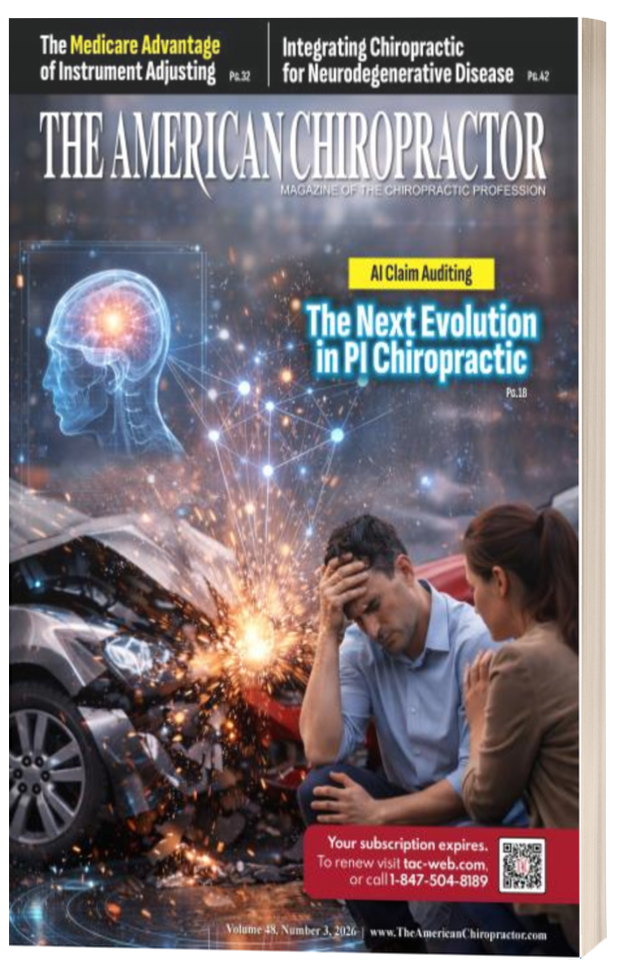
The American Chiropractor cover
Attorney at Law cover
The American Chiropractor  ·  Attorney at Law
Including: "From Narratives to Forensic Evidence".
It's not a feature. It's a shift.

Your PI Feature Isn’t the Problem. The Outcome Is.

2-Minute Case Example
Nothing changed—except the analysis.
State Farm Case Study

Nothing Changed—
Except the Outcome

Same patient. Same treatment. Same records.
Only the output changed.

The Problem

This Is the Problem No One Talks About


Most injury claims aren’t discounted because of the injury or care. They’re lost because of how the injury is presented and evaluated. Across the industry, a significant percentage of claims settle below their potential—not because the care was insufficient, but because the impact isn’t translated in a way that holds up under scrutiny. It’s not a lack of documentation. It’s a lack of defensible interpretation.

Most EMRs produce:
  • Clean documentation
  • Less Confrontational
But not what actually changes the outcome:
  • Higher case valuation
  • Consistent attorney response
  • Repeatable referral outcomes
That's why users are starting to go outside the system.
Attorneys don't need better narratives—they need documentation that holds up when it's evaluated, not just when it's written.

What Actually Changes the Outcome.
Same Case. Same Data.
Different Result.

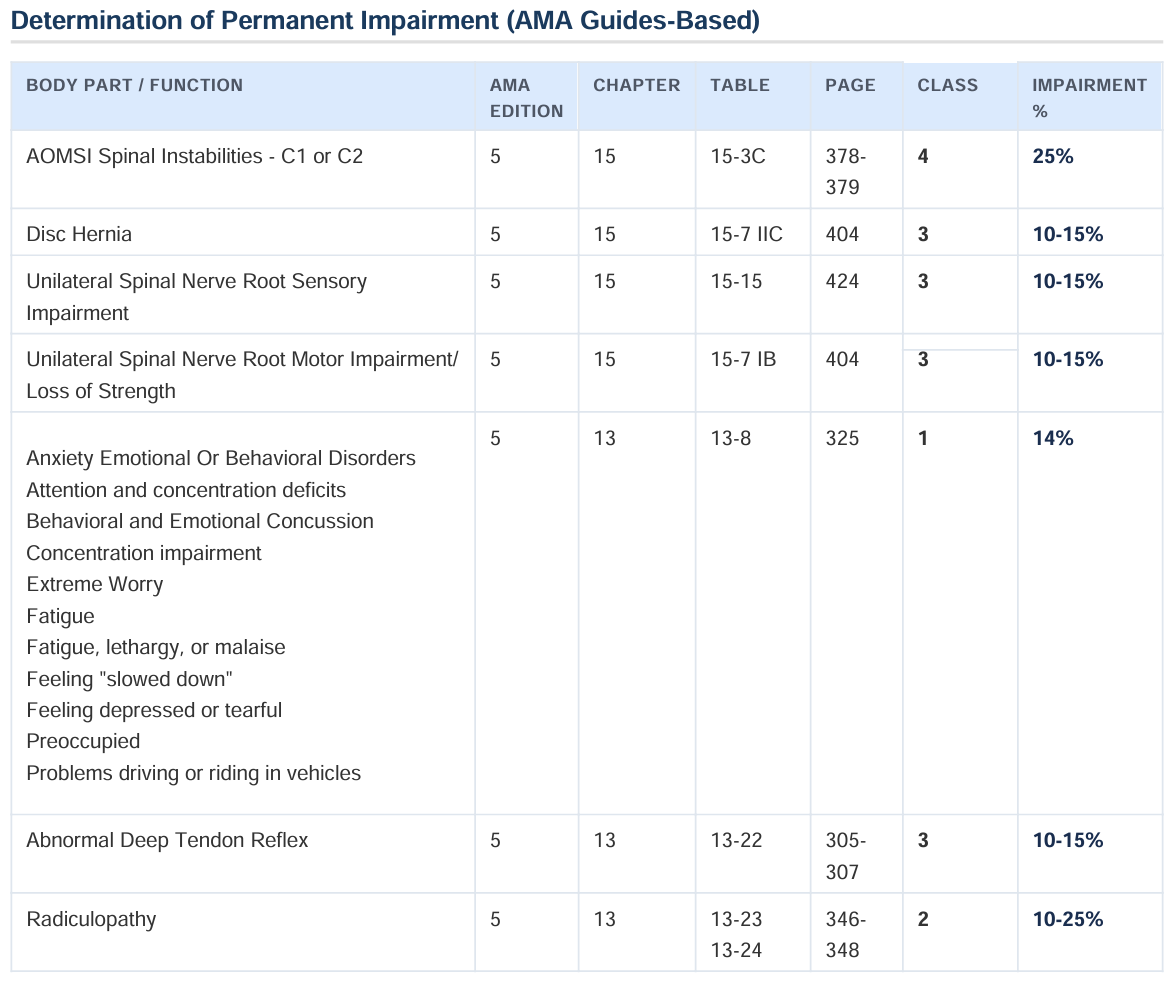
What's Documented — From Clinical Impairment
Standard EMR report output
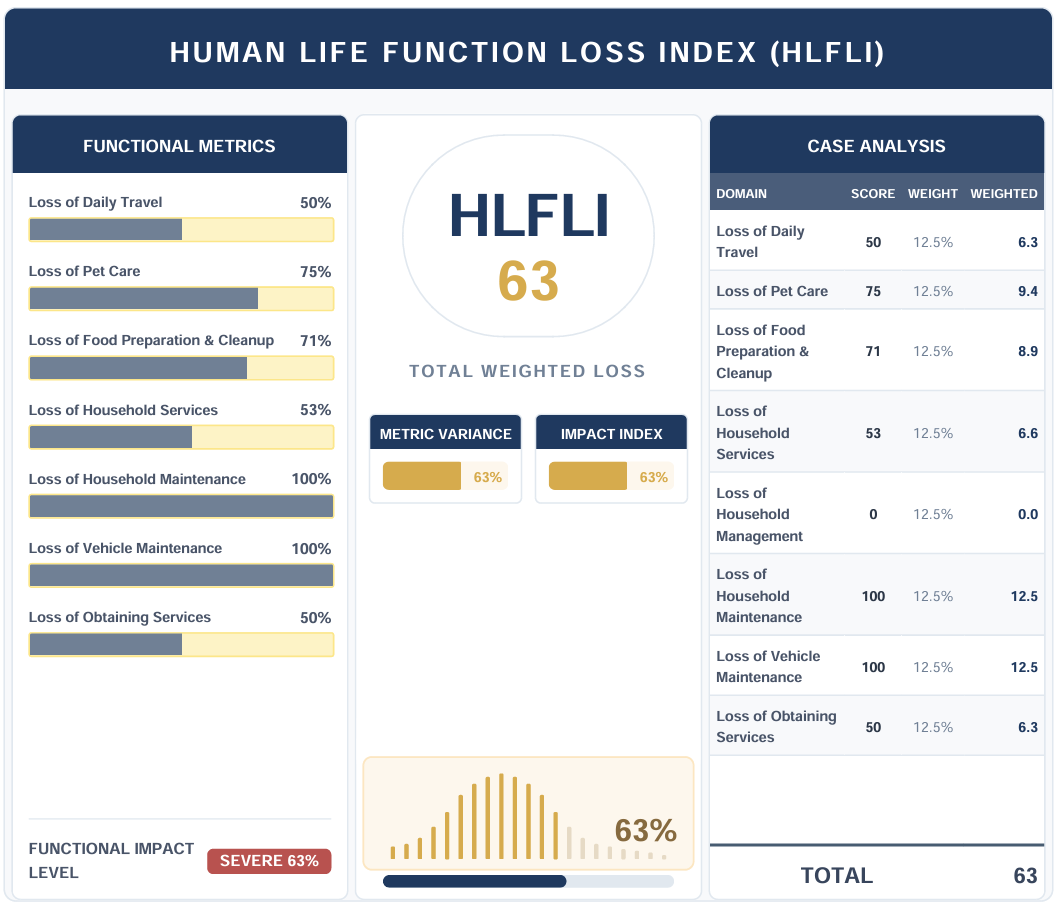
What's Evaluated — To Measurable Life Impact
Examiner360 outcome table
Impairment describes the injury. This defines its impact.
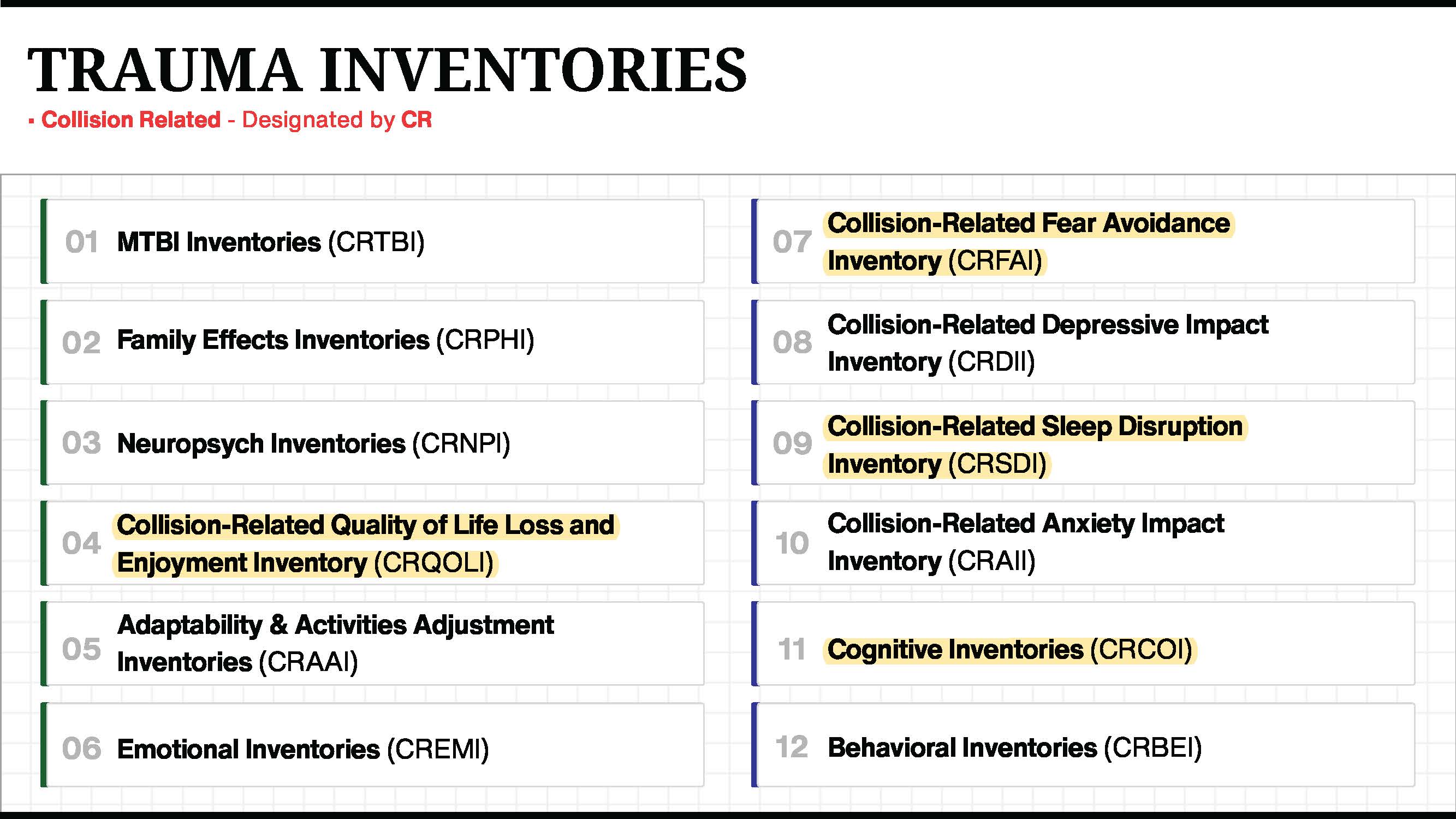
This is what drives the structured outputs you just saw.
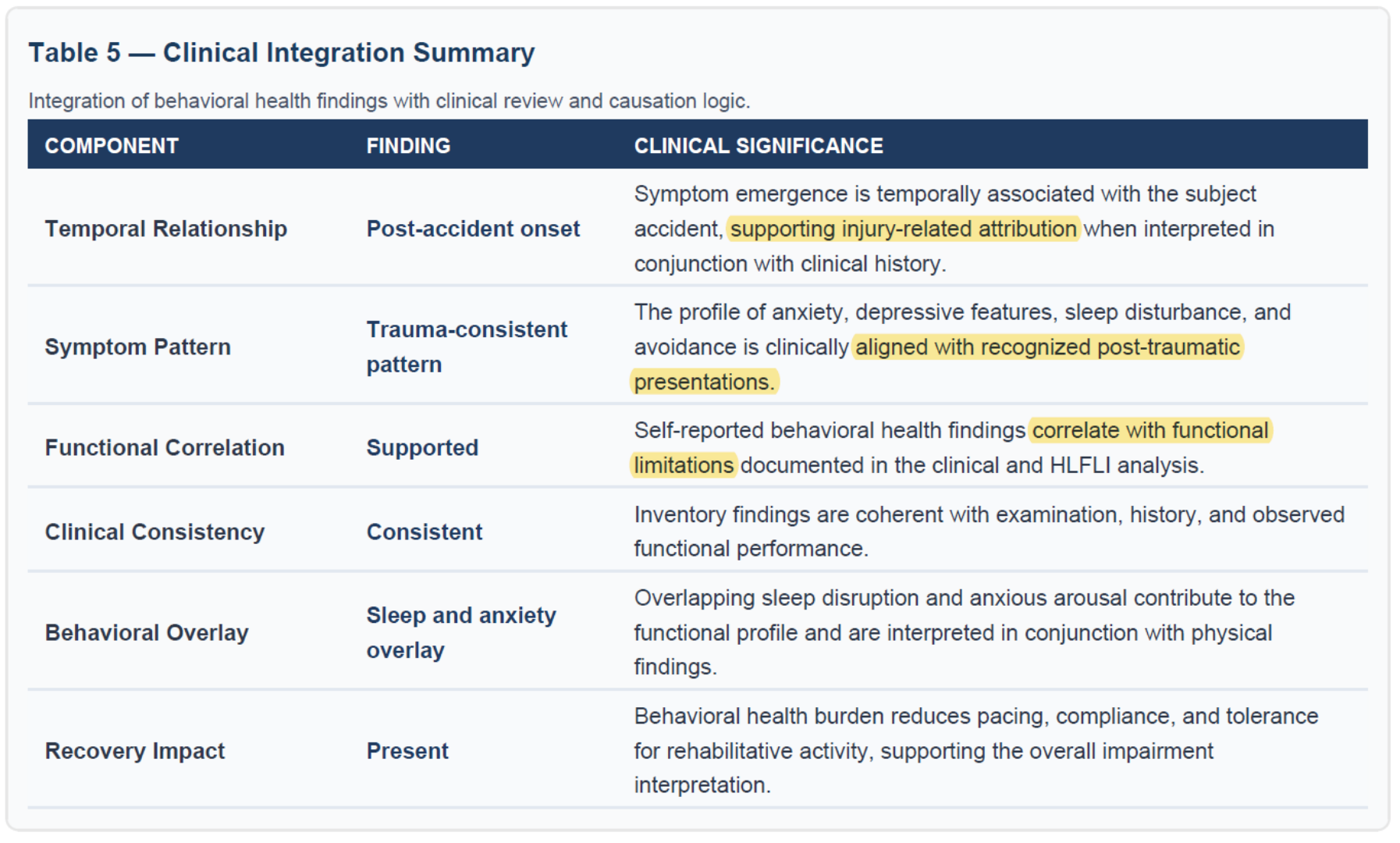
Trauma inventories report

Where the difference begins

Before valuation. Before reporting. Most systems document the injury. This captures how it affects a life.

  • Captures life impact—not just injury
  • Identifies loss across domains
  • Feeds structured, defensible outputs
Fast Scan

EMR + NLP vs. Examiner360

Category EMR + NLP Examiner360
Documentation
Reports
Billing Impact
Referral Behavior
Forensic-level Report
Collision Health Impact Assessment
Human Life Function Indexing
Unified Quality of Life Framework
Clinical Decision Making
Automated Impairment Rating
Clinical Scoring & Outcome Grading
Platform Upgrade Opportunity

This isn't a feature gap.
It's an outcome gap.

+$665per case (in additional billable activity)
Attorney-driven referral pull
User retention tied to case outcomes
This is where the difference begins to show—and it's what's usually missing.
Quality of life is often described—but rarely measured. Here, it's structured across domains, aligned with clinical findings, and evaluated for consistency. Not as narrative—but as something that can be relied on.
Outcome Table
Click to Zoom
This is what changes how impact is evaluated.
Zero Disruption

This Sits Inside Your EMR.

Your users access it in minutes.
No rebuild
No integration lift
No workflow change
The Risk of Waiting

Your Users Don't Need You to Offer This.

They can add it anyway. Quietly.
And once they do, they won't go back.

Zero-Friction Offer

There's No Cost to You to Find Out

Controlled test with your PI users
No rollout
No disruption
If it doesn't hit → nothing changes
If it does → you just added a competitive edge

If this already exists inside your platform, it should be easy to recognize.

If it doesn’t, this may be worth a closer look.

Take a Closer Look
No follow-up. No pressure.
Just a short review of what this looks like in practice.